

Vitamin C is the foundational ingredient here, and copper peptides are the complementary ones. L-ascorbic acid is a biochemical requirement for making stable collagen; GHK-Cu is a signal that tells skin to build and remodel more of it. In practice, that means:
- Use vitamin C in the morning, followed by sunscreen, to lock in antioxidant and photoprotective benefits.
- Use copper peptides at night, in their own layer, without mixing wet products in your palm.
- Skip copper peptides if you have Wilson’s disease or another copper metabolism disorder, and patch-test both ingredients before committing to daily use.
That’s the whole strategy in miniature. Everything below explains why it works and how to avoid the mistakes that undo it.
Key Takeaways
Vitamin C is a required cofactor for stable collagen formation, while copper peptides act as a complementary signal that supports collagen remodeling on a separate schedule.
| Point | Details |
|---|---|
| Vitamin C comes first | Use it in the morning with sunscreen for antioxidant and UV protection benefits. |
| Copper peptides go at night | Apply a neutral-pH copper peptide serum in the evening, in its own layer. |
| Don’t mix wet serums | Combining low-pH vitamin C with copper peptides directly can trigger degrading redox reactions. |
| Evidence levels differ | Vitamin C has deeper human trial support; copper peptides lean on strong mechanistic and animal data. |
| Watch for special cases | Those with Wilson’s disease or copper metabolism concerns should consult a clinician first. |
| Copperpeptides fits the PM slot | Its high-purity GHK-Cu and hyaluronic acid serum is formulated for nightly use, with results typically visible in four to six weeks. |
Table of Contents
- How Vitamin C and Copper Peptides Work Differently on Skin
- Vitamin C vs Copper Peptides: What the Human Evidence Actually Shows
- Why “Don’t Mix Vitamin C and Copper Peptides” Isn’t Quite the Full Story
- Building Your AM/PM Routine Without the Guesswork
- Where Copperpeptides Fits Into Your Evening Routine
- Sources
How Vitamin C and Copper Peptides Work Differently on Skin
These two ingredients don’t compete for the same job, which is exactly why the “versus” framing in most searches is a little misleading. They intervene at different points in how your skin actually builds collagen.
-
Vitamin C is an enzyme cofactor, not a signal. L-ascorbic acid is required for prolyl and lysyl hydroxylase, the enzymes that stabilize the collagen triple helix. Without adequate vitamin C, collagen forms improperly and breaks down faster, according to research on collagen chemistry and peptide biology. No amount of copper peptide can substitute for this step; it’s a chemical prerequisite, not an optional boost.
-
Copper peptides work upstream, at the gene and signaling level. GHK-Cu upregulates collagen gene expression and activates matrix metalloproteinases (MMPs) alongside their inhibitors (TIMPs), which together drive tissue remodeling rather than raw material supply.
-
Formulation stability runs on opposite rules. L-ascorbic acid needs a low pH, generally around 3.5, to stay active and penetrate skin, a threshold established by Pinnell’s foundational research on concentration and pH dependence. Copper peptides are more stable near neutral pH and can lose integrity in the same acidic environment vitamin C needs to function.
That mismatch in pH requirements is the real story, not some inherent rivalry between the two ingredients. One needs an acidic environment to work; the other prefers neutral. Manufacturers who try to combine them in a single product are fighting basic chemistry, which is why most well-formulated options keep them separate.
Vitamin C vs Copper Peptides: What the Human Evidence Actually Shows
If you’re choosing based on proof, not just plausible biology, the two ingredients aren’t in the same league. Vitamin C has a much deeper bench of human trials behind it.
Topical L-ascorbic acid has real trial support for brightening, tyrosinase inhibition, and reducing UV-induced erythema, an evidence base that goes back to Pinnell’s early formulation work and has been reinforced by smaller randomized trials since. Copper peptides tell a different story. GHK-Cu shows compelling results in vitro and in animal models, stimulating collagen types I, III, and VI while activating MMP-1 and MMP-2, according to research comparing copper peptides and L-ascorbic acid collagen science. Human topical trials exist, but there are fewer of them, and they tend to be smaller in scale than the vitamin C literature.
Here’s what that gap means practically:
- For pigmentation and sun damage: vitamin C has the stronger, more direct human evidence trail.
- For collagen signaling and remodeling: copper peptides have the stronger mechanistic and animal data, with human confirmation still catching up.
- For a complete anti-aging approach: neither replaces the other; they’re addressing separate stages of the same process.
None of this means copper peptides are unproven marketing fluff. It means the confidence level is different, and you should treat vitamin C as your first-line antioxidant defense while treating copper peptides as a longer-term remodeling investment.
Why “Don’t Mix Vitamin C and Copper Peptides” Isn’t Quite the Full Story
The warning you’ve probably seen everywhere has a real chemical basis, but it’s often repeated without the nuance that makes it useful.
In a test tube, ascorbic acid is a reducing agent. Mix it at high concentration and low pH directly with a copper compound, and you can trigger reduction of Cu(II) to Cu(I), a reaction that can generate reactive byproducts and degrade both ingredients in solution, according to formulation analysis on copper peptides and vitamin C. That’s real beaker chemistry, and it’s the actual reason the “don’t mix” rule exists.
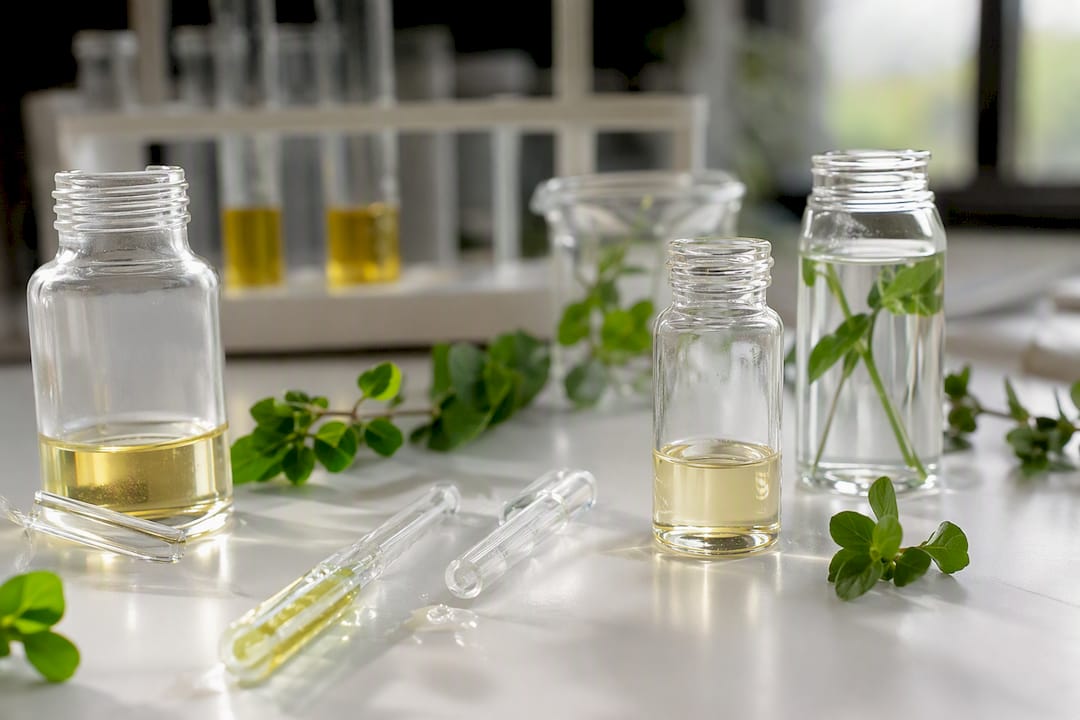
But your skin isn’t a beaker. Finished products use stabilized vitamin C derivatives and chelated copper compounds engineered specifically to resist this kind of breakdown, and there’s limited direct evidence that sequential, time-separated use on skin causes the same degradation seen when you combine concentrated raw solutions. Separation is still the smart move, just not because your face will chemically combust if you get it wrong once.
Three rules keep you safe without overthinking it:
- Never mix wet vitamin C and copper peptide serums together in your palm before application.
- Avoid layering a low-pH vitamin C product directly under a copper peptide serum in the same skincare step.
- Separate the two by time of day, or alternate them on different days if your skin runs sensitive.
Pro Tip: If you’re not sure whether your vitamin C product is low-pH, check the ingredient list for “L-ascorbic acid” specifically. Buffered derivatives like sodium ascorbyl phosphate are far more forgiving to pair with other actives.
Building Your AM/PM Routine Without the Guesswork
Once you understand the chemistry, the routine writes itself. Here’s the practical version.
- Morning: cleanse, apply vitamin C, then sunscreen. L-ascorbic acid or a stabilized derivative goes on clean, dry skin, and sunscreen locks in the antioxidant protection while blocking the UV damage vitamin C is working to prevent in the first place.
- Evening: cleanse, apply copper peptide serum, then moisturizer. A neutral-pH copper peptide product does its remodeling work overnight while skin repairs itself. If you’re also using retinoids or exfoliating acids, give copper peptides their own night, or alternate nights, rather than stacking three actives at once.
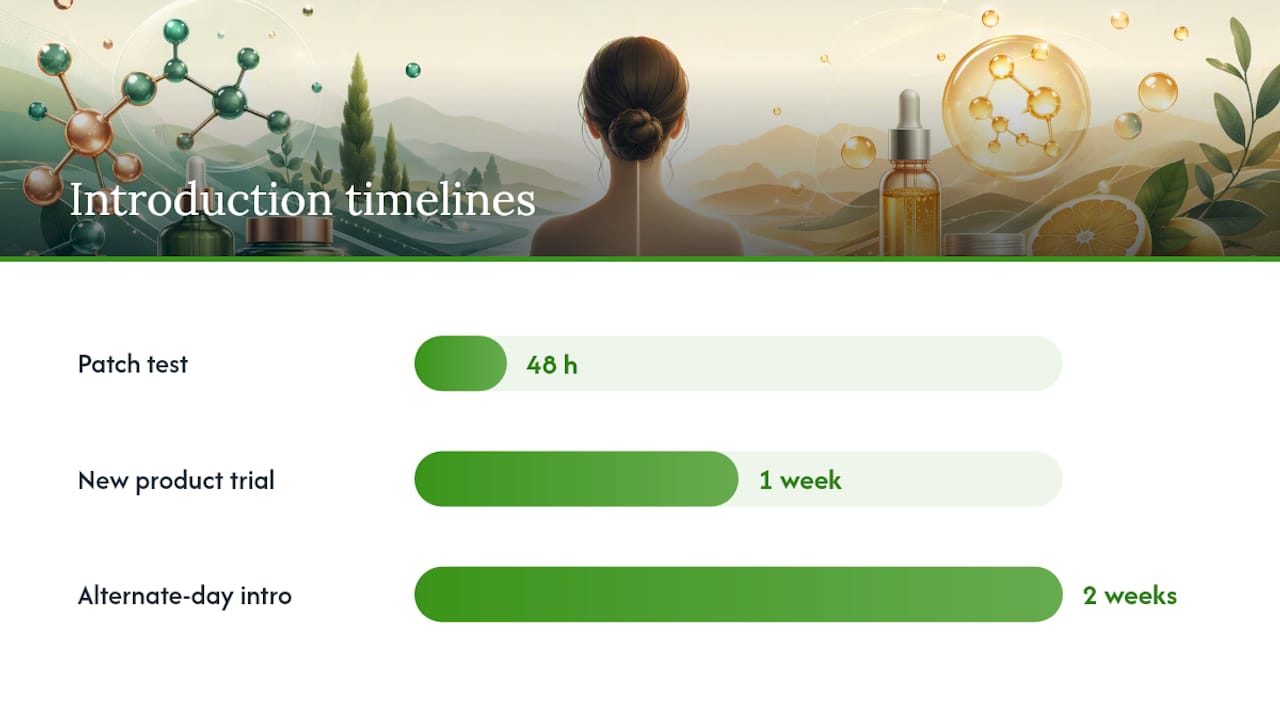
- Introduce new actives one at a time. Patch test on your inner arm for 48 hours, then use a new product every other night for a week before going daily, watching for redness or stinging that signals you should scale back.
Pro Tip: If your skin feels tight or irritated after adding either ingredient, drop to alternate-day use for two weeks before deciding it’s not for you. Most sensitivity issues resolve with a slower introduction, not a different product entirely.
Clinicians commonly recommend this exact split: vitamin C for daytime antioxidant defense, copper peptides scheduled for nighttime repair. It’s a conservative approach, not a rigid law, but it removes the guesswork.
Where Copperpeptides Fits Into Your Evening Routine
If you’ve decided copper peptides deserve a spot in your nighttime routine, formulation quality matters more than marketing copy. Copperpeptides formulates its serum with high-purity GHK-Cu paired with medical-grade hyaluronic acid, targeting the collagen support, hydration, and firming benefits the research above points toward.
A few things worth knowing before you start:
- Most people see visible changes in texture and firmness within four to six weeks of consistent nightly use.
- The formula is designed to be gentle enough for sensitive skin types, which matters if you’re already using vitamin C or retinoids elsewhere in your routine.
- Dermatologists have endorsed the serum’s approach as gentle but genuinely effective, not just tolerable.
For more on what GHK-Cu does at the skin level, the copper peptide benefits guide breaks down the biology further, and the results timeline breakdown sets realistic expectations for week one versus week six.
The Real Priority Isn’t Vitamin C or Copper Peptides. It’s Not Wasting Either One.
Vitamin C is non-optional if collagen synthesis matters to you; it’s baked into the enzymatic process. Copper peptides are the upgrade you add once that foundation is in place, not a replacement for it.
What I’d push back on is the obsession with the “versus” framing itself. The bigger risk isn’t mixing these two ingredients wrong. It’s buying a poorly stabilized vitamin C serum that oxidizes in the bottle, or skipping sunscreen because you assume the serum alone handles UV protection. Formulation quality and consistent sun protection do more for your skin than winning an argument about which active goes first. If you’re managing multiple actives, or have a metabolic condition affecting copper regulation, a quick conversation with a dermatologist beats guessing from a routine you read online.
— British
A PM Copper Peptide Option Worth Considering
If you’ve read this far, you already know copper peptides belong in your evening routine, not competing with your morning vitamin C. The question is which formula actually delivers the remodeling signal at a stable, effective concentration instead of a diluted afterthought buried in a ten-ingredient list.
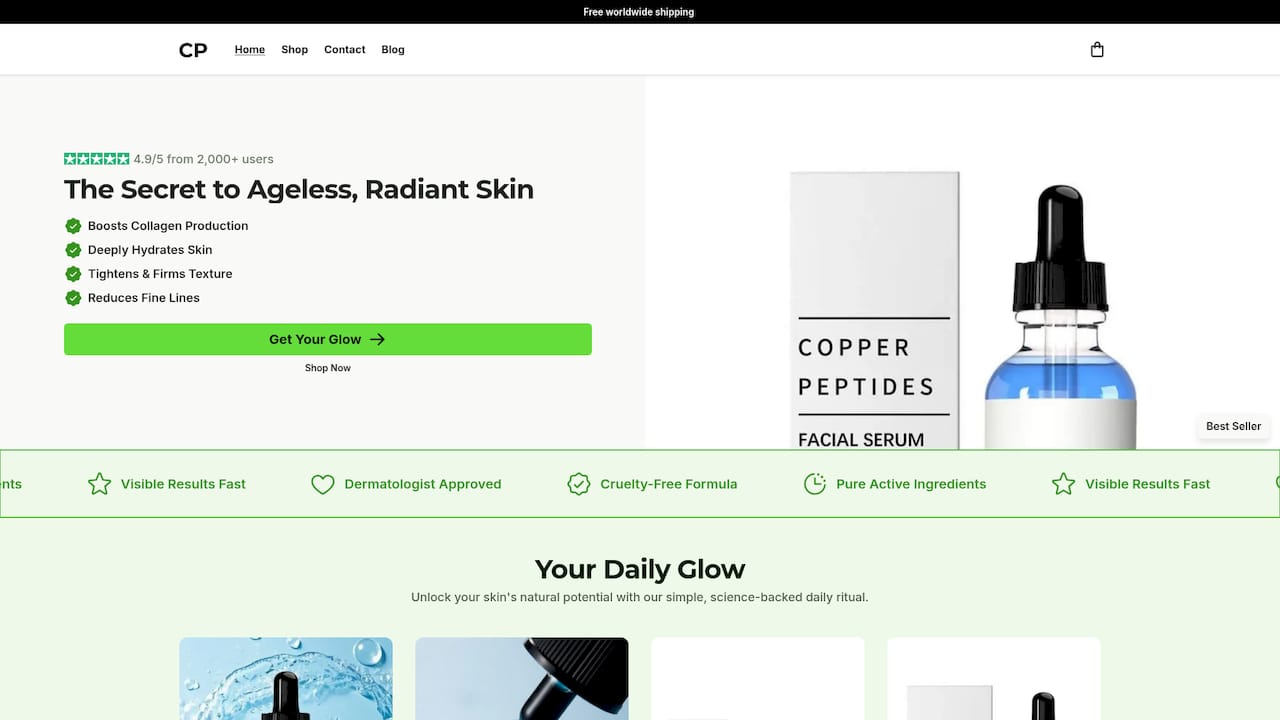
The Copper Peptide Anti-Aging Serum from Copperpeptides is built as a single-ingredient-focused formula, pairing high-purity GHK-Cu with medical-grade hyaluronic acid so you’re not guessing what’s doing the work. Apply it after cleansing and before your moisturizer on PM nights, giving it space from any vitamin C, retinoid, or acid you use elsewhere in your routine. It’s formulated to be gentle enough for sensitive skin while still delivering visible firming and hydration within four to six weeks. If you’re ready to add a dermatologist-backed copper peptide option to your nighttime routine, the product page has full ingredient details and ordering information.
Sources
- PMC article on collagen chemistry and peptide biology
- FormBlends: Copper peptides vs Vitamin C (comparative review)
- Phyto-C: Copper peptides vs L-ascorbic acid — collagen science
- PeptidePick: Can you use copper peptides with vitamin C?
Recommended
- Dermatologist Approved Skincare: Best Copper Peptide Serum – Copper Peptides Store
- Copper Peptide Benefits: A Science-Backed Skin Guide – Copper Peptides Store
- How to Layer Copper Peptides for Maximum Skin Benefits – Copper Peptides Store
- Copper Peptides Results: What to Expect and When – Copper Peptides Store