

The short answer: the Copper Peptide Anti-Aging Serum from Copperpeptides is the recommended buy for anyone who wants targeted collagen support backed by a dermatologist-endorsed, high-purity formulation.
- Best for: Adults in their 30s through 60s dealing with fine lines, loss of firmness, or dullness, including those with sensitive skin
- Primary benefits: High-purity copper peptides that activate collagen production, paired with medical-grade hyaluronic acid for deep hydration and skin-firming
- Why dermatologists endorse it: The formulation targets specific aging pathways without harsh irritants, making it safe for daily use across all skin types
The buying checklist and layering instructions are in the sections below.
Table of Contents
- What are copper peptides and how do they work on aging skin?
- What do dermatologists actually say about copper peptides?
- How to choose a high-purity copper peptide serum
- How to use a copper peptide serum safely and effectively
- Safety profile and side effects to know before you buy
- When can you realistically expect to see results?
- Copper Peptide Anti-Aging Serum from Copperpeptides: full specs
- Key Takeaways
- Why this serum exists and who it was made for
- Ready to order? Here’s how to buy with confidence
- Useful sources
What are copper peptides and how do they work on aging skin?
Copper peptides are small protein fragments bonded to copper ions. They occur naturally in the body and play a direct role in wound healing and collagen synthesis. In a serum, they signal the skin to produce more collagen and elastin, the structural proteins that keep skin firm and plump.
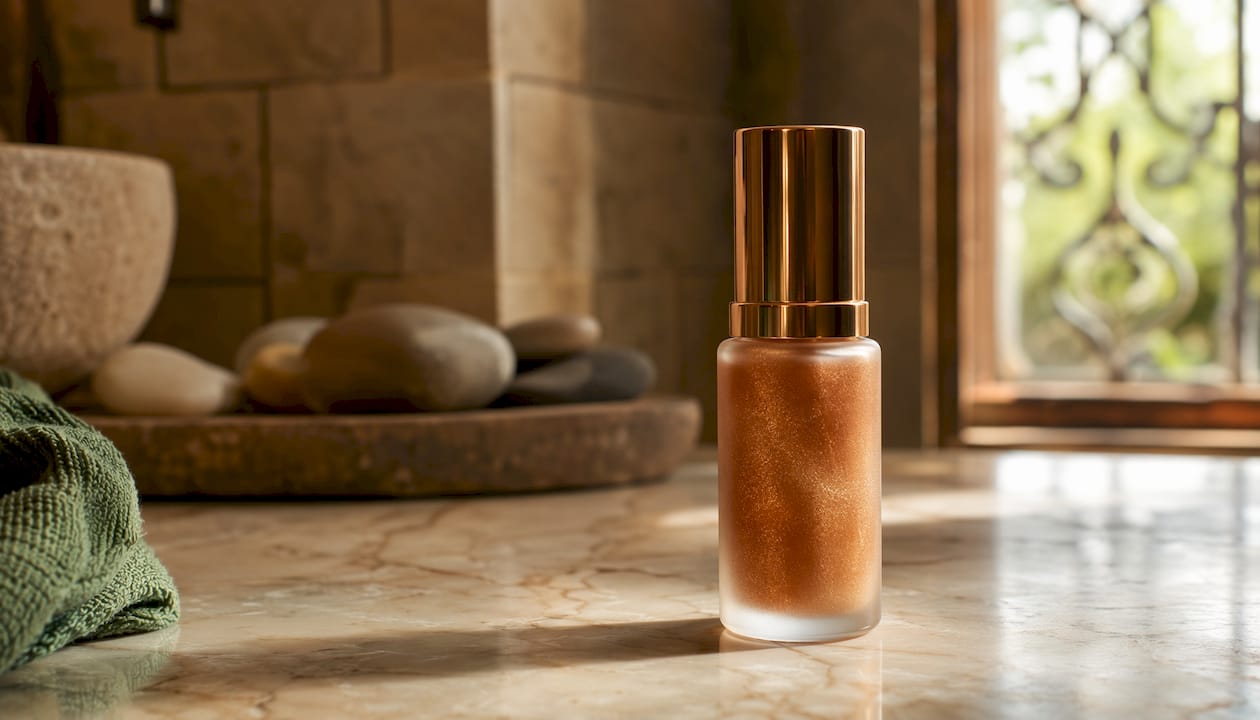
A generic serum might hydrate or exfoliate. A copper peptide serum does something more specific: it works on the skin’s repair machinery. That distinction matters most for people dealing with visible aging, where the underlying issue is collagen loss, not just surface dryness.
Specific concerns copper peptides address:
- Fine lines and wrinkles driven by collagen breakdown
- Loss of skin firmness and elasticity
- Uneven skin tone and persistent dullness
- Slow surface renewal after sun damage or environmental stress
What do dermatologists actually say about copper peptides?
Professional consensus on skincare ingredients has gotten more rigorous. A Delphi consensus study published in the Journal of the American Academy of Dermatology used a structured expert-agreement process to narrow a long ingredient list down to those with the strongest clinician support. Mineral sunscreen, retinoids, and vitamin C came out at the top. Targeted serums, including high-purity peptide formulations, sit in the next tier: useful, professional-grade adjuncts that complement a solid foundation.
A Northwestern Medicine review reinforced that framing. Dermatologists in the study consistently recommended protection-first, then corrective actives. The American Academy of Dermatology echoes this, advising that adults in their 40s and beyond prioritize daily sunscreen and targeted actives like retinoids and antioxidants. Copper peptides fit squarely in that corrective-active category.
NPR reporting quotes dermatologists who describe advanced serums as “nice-to-haves” that work best when layered on top of a simple core routine. That is not a dismissal. It is a placement guide.
Pro Tip: Apply a broad-spectrum mineral sunscreen every morning before anything else. No serum, however well-formulated, compensates for daily UV damage. Sunscreen is the non-negotiable base; copper peptides are the targeted repair layer on top.
How to choose a high-purity copper peptide serum
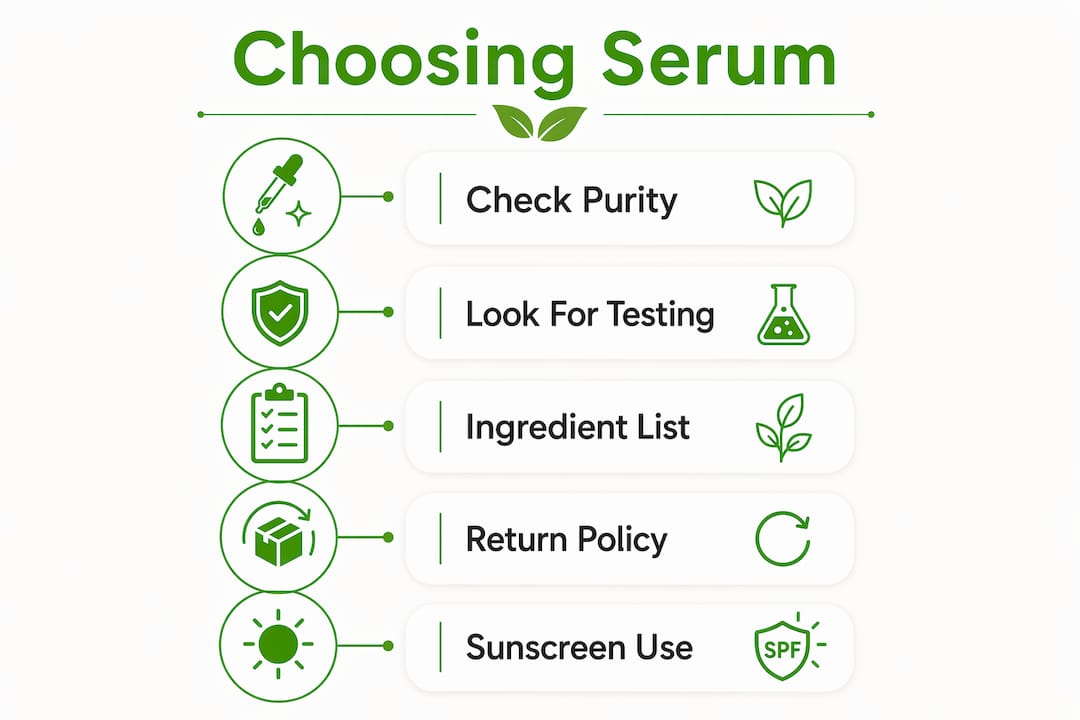
Label language in skincare is inconsistent, and that creates real risk. Here is what to check before buying.
Must-have attributes:
- Stated purity or concentration for the copper peptide complex, not just “peptide blend”
- Medical-grade hyaluronic acid as a complementary ingredient for hydration and barrier support
- Airless pump or dark glass packaging to prevent oxidation of active peptides
- Dermatologist-endorsed or dermatologist-tested claim with a clear distinction between the two (see below)
- Transparent full ingredient list with no proprietary “complex” hiding key actives
- Cruelty-free and third-party tested status where verifiable
A Delphi consensus process is the gold standard for identifying which ingredients have genuine expert backing. Prioritize products whose actives appear on consensus-backed lists.
On label language: “dermatologist recommended” means a clinician has endorsed the product or brand. “Dermatologist tested” typically means safety or tolerance testing only, not an endorsement of efficacy. Both labels can appear on the same product and mean very different things.
| Attribute | Must-Have | Red Flag |
|---|---|---|
| Peptide disclosure | Stated concentration or purity level | Vague “peptide complex” with no detail |
| Hyaluronic acid | Medical-grade, listed explicitly | Generic filler HA with no grade stated |
| Packaging | Airless pump or UV-protective glass | Clear plastic jar exposed to light and air |
| Endorsement | Dermatologist recommended (clinician-backed) | “Tested” only, no endorsement claim |
| Ingredient list | Full INCI list, no hidden complexes | Proprietary blend with no breakdown |
| Testing | Third-party or clinical testing noted | No testing information available |
Pro Tip: Always check the return policy before buying. A brand confident in its formulation will back it with a money-back guarantee. A short or no-return window on a skincare product is a signal worth taking seriously.
How to use a copper peptide serum safely and effectively
Daily routine order:
- Cleanse with a gentle, pH-balanced cleanser
- Apply the copper peptide serum to slightly damp skin (better absorption)
- Follow with moisturizer once the serum has absorbed (60–90 seconds)
- Apply broad-spectrum SPF 30+ sunscreen as the final AM step
- For PM use: apply serum after cleansing, before moisturizer; if using a retinoid, use it on alternating nights rather than the same application
Correct layering order affects how well actives penetrate. Lighter, water-based serums go on before heavier creams. Skipping this step is one of the most common reasons people underestimate a serum’s results.
Do and don’t list:
- Do patch test on the inner arm for 24 hours before full-face application
- Do start with every other day for the first two weeks, then move to daily use
- Do store the serum away from direct sunlight and heat
- Don’t mix copper peptides and high-dose vitamin C in the same application; the copper ion can interact with ascorbic acid. Use one in the AM and the other in the PM
- Don’t layer copper peptides directly on top of a retinoid on the same night; alternate evenings to reduce irritation risk
- Don’t apply to broken or actively irritated skin
For readers building a full routine from scratch, a practical men’s skincare routine guide covers the basics of sequencing actives step by step.
Safety profile and side effects to know before you buy
Copper peptides have a well-established safety record, particularly compared to retinoids or high-concentration acids. That said, no active ingredient is universally risk-free.
Common mild reactions (usually temporary):
- Slight redness or warmth on first use, especially on sensitive skin
- Mild tingling during the absorption window
- Temporary dryness if introduced too quickly alongside other actives
Less common but worth knowing:
- Contact dermatitis in individuals with a known metal sensitivity
- Breakouts if the formula contains comedogenic secondary ingredients (check the full INCI list)
When to stop and consult a dermatologist:
- Persistent redness or swelling beyond 48 hours
- Hives, itching, or signs of an allergic reaction
- Any reaction that spreads beyond the application area
A note on retinoids: pregnancy-related caution applies to retinoids specifically, not to copper peptides. If you are pregnant or nursing, consult your OB-GYN or dermatologist before adding any new active to your routine.
This article is general information, not medical advice. Confirm current ingredient guidance with a board-certified dermatologist for your specific situation.
When can you realistically expect to see results?
Early improvements in skin texture and hydration are possible within several weeks of consistent daily use. Fuller results, including visible reduction in fine lines and measurable improvement in firmness, typically require sustained adherence over multiple months. That timeline aligns with how long collagen remodeling takes at the cellular level.
Several factors affect how quickly you see results: baseline skin damage, age, whether you are using complementary actives like retinoids, and whether you are applying sunscreen daily. Long-term improvement depends as much on consistent UV protection as on the serum itself.
Before committing to a full-size purchase, check whether a sample or trial size is available. Also confirm the return policy. A 30-day or longer money-back guarantee gives you enough time to assess early results without financial risk.
Copper Peptide Anti-Aging Serum from Copperpeptides: full specs
| Spec | Detail |
|---|---|
| Key active | High-purity copper peptides |
| Complementary ingredient | Medical-grade hyaluronic acid |
| Skin types | All skin types, including sensitive |
| Dermatologist status | Dermatologist-endorsed formulation |
| Cruelty-free | Yes |
| Packaging | Designed to protect active stability |
| Results timeline | 4–6 weeks (early); 3 months (full) |
| Return policy | Money-back guarantee |
Core benefits:
- Stimulates collagen and elastin production to reduce fine lines
- Medical-grade hyaluronic acid delivers deep, lasting hydration
- Firms and tightens skin texture with consistent use
- Gentle enough for daily use on sensitive skin
- No harsh irritants; safe to layer with sunscreen and moisturizer
The Copper Peptide Anti-Aging Serum is available directly through Copperpeptides with full product specs, ingredient transparency, and purchase options on the product page.
Key Takeaways
High-purity copper peptides paired with medical-grade hyaluronic acid, applied consistently within a sunscreen-first routine, deliver measurable anti-aging results within 4–6 weeks.
| Point | Details |
|---|---|
| Recommended product | Copper Peptide Anti-Aging Serum from Copperpeptides is the top pick for targeted collagen support. |
| Top purchase checks | Verify stated purity, airless or UV-protective packaging, and a dermatologist-endorsed (not just tested) claim. |
| Sunscreen comes first | No serum replaces daily SPF; apply mineral sunscreen every morning before the copper peptide layer. |
| Realistic timeline | Expect early texture improvements in 4–6 weeks; full firming results typically take three months. |
| Copperpeptides | High-purity formulation with medical-grade hyaluronic acid, dermatologist-endorsed, cruelty-free, and backed by a money-back guarantee. |
Why this serum exists and who it was made for
The skincare market is full of products that promise professional-grade results while burying the actual actives under marketing language. Copperpeptides was built around the opposite premise: start with the highest-purity copper peptide formulation available, pair it with medical-grade hyaluronic acid, and let the ingredient transparency speak for itself.
The formulation priorities were dermatologist collaboration, cruelty-free production, and a safety profile broad enough to work for sensitive skin without compromise. The goal was never to be the most complex serum on the shelf. It was to be the most honest one.
Ready to order? Here’s how to buy with confidence
Copperpeptides ships the Copper Peptide Anti-Aging Serum directly to your door, with fast shipping options and a money-back guarantee that gives you real time to assess results.
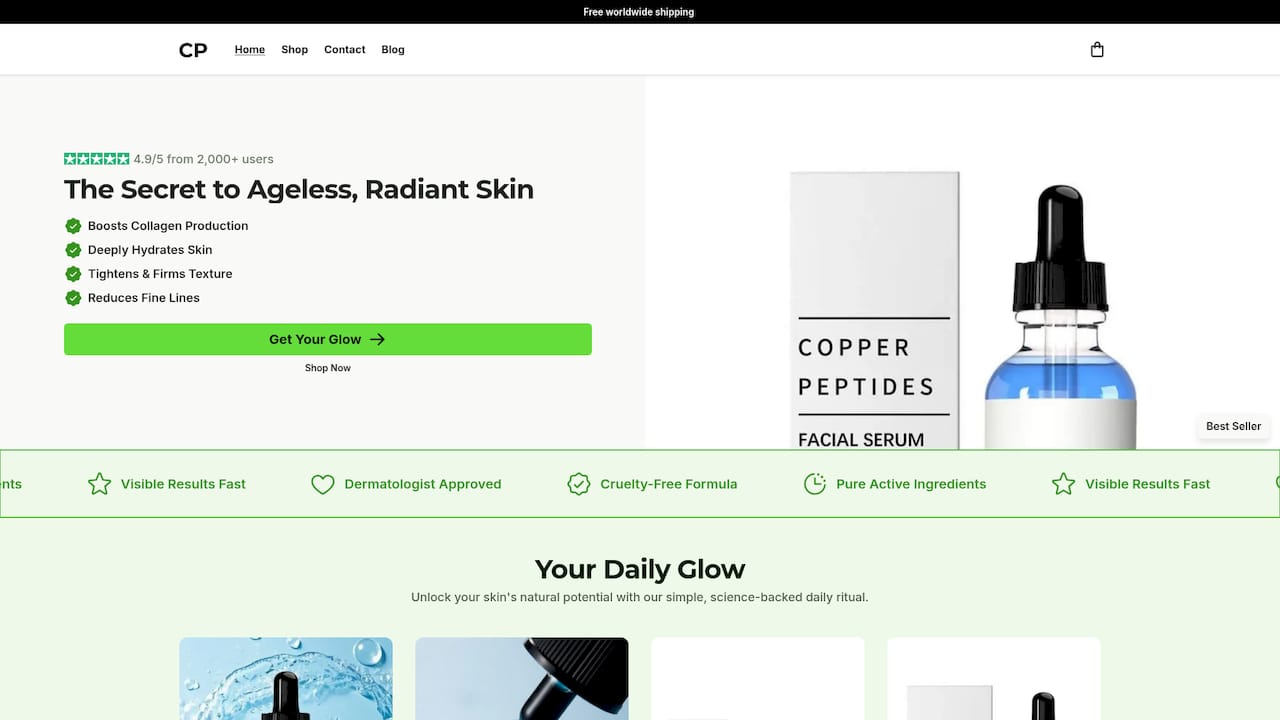
What you get when you order:
- High-purity copper peptide serum with medical-grade hyaluronic acid
- Dermatologist-endorsed formulation, cruelty-free and safe for sensitive skin
- Fast shipping with tracking
- Money-back guarantee, no complicated return process
Visit Copperpeptides to check current pricing, review the full ingredient list, and place your order.
Useful sources
The claims in this article draw on the following authoritative sources. When evaluating any skincare product, cross-reference marketing language against consensus-backed ingredient guidance rather than brand copy alone. “Dermatologist recommended” and “dermatologist tested” are not interchangeable terms, and understanding the difference is the single most useful filter a buyer can apply.
- Skincare Ingredients Recommended by Cosmetic Dermatologists: A Delphi Consensus Study — Journal of the American Academy of Dermatology
- Best Skin Care Ingredients Revealed in Thorough, National Review — Northwestern University
- Top Skin-Care Ingredients Recommended by Dermatologists — Northwestern Medicine
- Basic Skin Care — American Academy of Dermatology
- 3 Essential Skin Care Products to Keep Your Skin Healthy — NPR
- Dermatologist Recommended vs. Dermatologist Tested — Ulta Beauty (retail label guidance)
- How to Combine Skincare Treatments for Men — Rivers Edge Skin Studio