

The best serum for crepey skin combines collagen-signaling actives (copper peptides, retinoids) with deep humectants like hyaluronic acid to address both the structural and hydration deficits that cause that thin, papery texture. The Copperpeptides Copper Peptide Anti-Aging Serum is the recommended starting point: it features high-purity copper peptides plus medical-grade hyaluronic acid, is dermatologist-endorsed, and is available direct-to-consumer in the U.S.
Quick picks by category:
- Best overall (peptide-first): Copper Peptide Anti-Aging Serum (Copperpeptides) — copper peptides signal collagen synthesis while hyaluronic acid delivers immediate plumping; all skin types, face and neck
- Best retinol outcome: Nécessaire The Body Retinol or Paula’s Choice Skin-Smoothing Retinol Body Treatment — proven cell-turnover actives for visible texture improvement on body skin
- Best for sensitive/dry skin: Encapsulated retinol or bakuchiol alternatives; La Roche-Posay Lipikar body creams for barrier-first support
- Best budget approach: Dove Pro-Retinol + Firming Cream Serum or Olay Super Serum — accessible drugstore price points with hydrating actives
- Best for neck and hands: SkinCeuticals Tripeptide R Neck Repair or the Copper Peptide Anti-Aging Serum, both formulated for delicate, thinner skin
U.S. availability: the Copperpeptides serum ships direct from copperpeptides.store; the others are available at Sephora, Ulta, Target, CVS, and major retailers depending on the brand.
Table of Contents
- How do these serums compare side by side?
- How to choose the right serum for your skin
- Which ingredients actually help crepey skin?
- What results can you realistically expect, and what are the safety rules?
- Why copper peptides work well for crepey skin
- Key Takeaways
- The case for a peptide-first approach to crepey skin
- Try the Copper Peptide Anti-Aging Serum from Copperpeptides
- Selected sources and further reading
How do these serums compare side by side?
The table below covers the full shortlist. Copperpeptides leads as the featured recommendation; the remaining entries follow by category and use-case fit.
| Product | Best for | Key actives | Formulation | Price range | Evidence / endorsement | How to use | Fragrance risk |
|---|---|---|---|---|---|---|---|
| Copper Peptide Anti-Aging Serum ⭐ Recommended | Face, neck, delicate areas; all skin types | High-purity copper peptides + medical-grade hyaluronic acid | Lightweight serum; absorbs quickly | Mid-range | Dermatologist-endorsed (brand); visible results cited at 4–6 weeks | AM or PM; patch-test first; add SPF in AM | Fragrance-free formulation |
| Nécessaire The Body Retinol | Body skin; retinol-tolerant users | Retinol (0.1%) + niacinamide + ceramides | Lightweight lotion | $$ | Editor-recommended; niacinamide buffers irritation | PM; start 2–3x/week; SPF required | Fragrance-free |
| Paula’s Choice Skin-Smoothing Retinol Body Treatment | Body; texture and pigment concerns | Retinol + peptides + antioxidants | Silky lotion | $$ | Widely cited in editorial roundups | PM; 2–3x/week; SPF required | Fragrance-free |
| Alastin TransForm Body Treatment | Body laxity; post-procedure support | TriHex Technology (peptide blend) + emollients | Rich cream | $$$$ | Clinician-recommended; used post-procedure | AM/PM; daily | Low fragrance risk |
| SkinMedica Firm & Tone (body) | Body firming; mature skin | Peptides + retinol + hyaluronic acid | Lotion | $$$ | Physician-dispensed brand; clinical positioning | AM/PM; daily | Low fragrance risk |
| La Roche-Posay Lipikar (body creams) | Dry, sensitive, reactive skin | Ceramides + shea butter + niacinamide | Rich cream | $ | Dermatologist-recommended for barrier repair | AM/PM; daily | Fragrance-free options |
| Olay Super Serum | Face/body firming; budget-conscious | Niacinamide + peptides + vitamin C + retinol | Lightweight serum | $ | Consumer-tested; widely available | AM or PM | Low fragrance |
| Dove Pro-Retinol + Firming Cream Serum | Drugstore budget; body skin | Pro-retinol + peptides | Cream-serum hybrid | $ | Mass-market; accessible actives | PM; daily | Contains fragrance |
| SkinCeuticals Tripeptide R Neck Repair | Neck; delicate, thin skin | Tripeptide-1 + retinol | Serum | $$$$ | Physician-grade brand; neck-specific clinical claims | PM; every other evening; SPF required | Low fragrance risk |
| High-strength retinoid body/face serum (category) | Texture, pigment; retinoid-tolerant | Retinol/retinoid (variable %) | Serum or lotion | $$–$$$ | Strong collagen-stimulation evidence | PM; gradual intro; SPF required | Varies |
| Encapsulated retinol for sensitive skin (category) | Dry, reactive skin | Encapsulated retinol or bakuchiol | Serum or cream | $$–$$$ | Gentler delivery; reduced irritation risk | PM; every other night to start | Often fragrance-free |
| Hydration + peptide serum (hyaluronic + peptides) | Very dry, crepey skin needing plumping | Hyaluronic acid + peptides | Serum | $$–$$$ | Immediate plumping; collagen-signaling support | AM/PM; layer under moisturizer | Varies |
| Acid exfoliant serum (AHA/BHA blends) | Sun-damaged, thicker skin | Glycolic/lactic/salicylic acid | Liquid or gel | $$–$$$ | Improves surface texture quickly | PM; 2–3x/week max; SPF required | Varies |
| Budget drugstore-style firming serum (category) | Maintenance; budget-minded | Hydrating actives; gentle peptides | Cream or serum | $ | Accessible; fewer high-potency actives | AM/PM; daily | Varies |
Recommended pick: The Copper Peptide Anti-Aging Serum from Copperpeptides pairs high-purity copper peptides with medical-grade hyaluronic acid. Copper peptides signal collagen synthesis while hyaluronic acid delivers immediate surface plumping, making this combination particularly well-suited to the thin, dehydrated texture of crepey skin. Dermatologist-endorsed and cruelty-free, with a return policy that backs the brand’s confidence in results.
How to choose the right serum for your skin
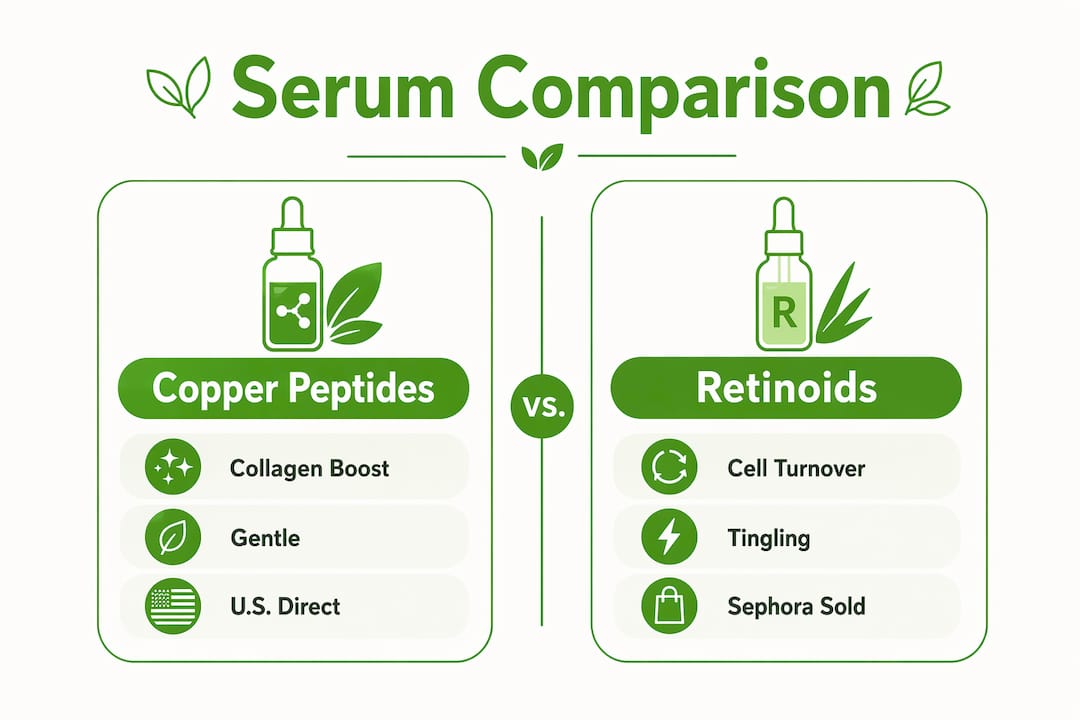
Not every crepey skin serum suits every person. The right pick depends on where the crepiness shows up, how sensitive your skin is, and what actives you can realistically commit to using.
Decision criteria checklist:
- Skin type: Dry or very dry skin needs a serum with strong humectants (hyaluronic acid, glycerin) alongside actives. Oily or combination skin tolerates lighter, gel-based formulas. Sensitive skin should start with encapsulated retinol or bakuchiol rather than full-strength retinoids.
- Body area: Face and neck skin is thinner and more reactive than body skin. Choose formulas specifically tested for delicate areas (SkinCeuticals Tripeptide R Neck Repair, Copper Peptide Anti-Aging Serum) rather than applying a body lotion to your face.
- Active strength: Retinoid percentage matters. Start at 0.025%–0.1% retinol for face; body skin tolerates slightly higher concentrations. Copper peptide serums carry no retinoid-related irritation risk, making them a strong option for daily use.
- Peptide presence: Look for named peptides (tripeptide-1, copper peptide/GHK-Cu) rather than a vague “peptide complex” with no specifics. Named actives signal a real concentration decision.
- Hydration actives: Hyaluronic acid and ceramide blends are the go-to for dry, crepey skin. Ceramides repair the barrier; hyaluronic acid draws moisture in.
- Fragrance and allergens: Fragrance is listed high on many drugstore formulas. If your skin is reactive, prioritize fragrance-free options.
- Price per ounce: A $15 drugstore serum at 1 oz costs more per ounce than a $45 serum at 3 oz. Calculate value before assuming the cheaper option saves money.
Questions to ask on any product page:
- Are the active ingredients named with concentrations, or just listed generically?
- Does the brand provide clinical data or consumer perception results?
- Is there an SPF recommendation when retinoids are included?
- What is the return policy if your skin reacts?
Red flags to avoid:
- “Peptide complex” with no named peptides
- Retinoid products with no SPF guidance
- Fragrance listed in the top five ingredients on a product for sensitive skin
- No patch-test recommendation on a high-active formula
Shopping checklist: patch-test any new serum on your inner arm for 48 hours before full application; read the ingredient list in order (highest concentration first); check the expiry date and retailer authenticity (buy direct or from authorized retailers to avoid counterfeit formulas).
Which ingredients actually help crepey skin?
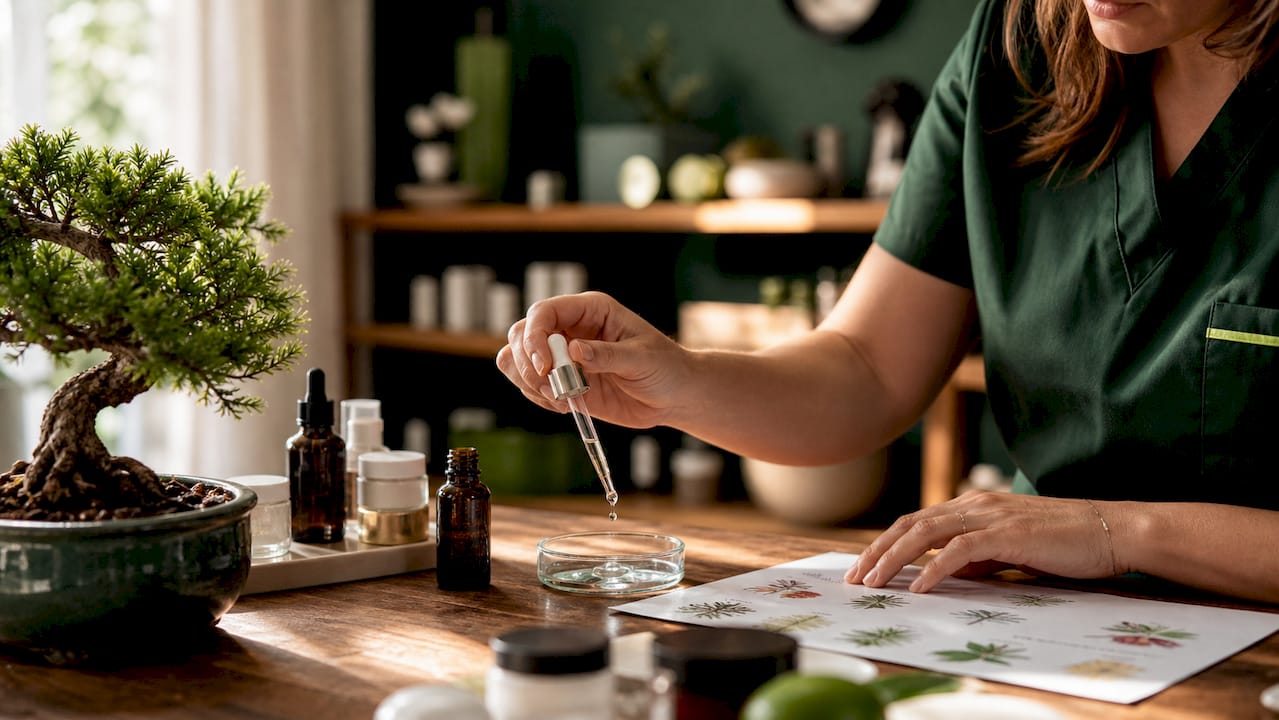
Crepey skin develops when the dermis loses collagen and elastin, primarily from UV exposure and aging. The right actives address that loss from different angles.
Ingredient quick reference
| Ingredient | Mechanism | Best for | Compatibility notes |
|---|---|---|---|
| Retinol / retinoids | Stimulates cell turnover; increases collagen over time | Texture, pigment, firmness | Avoid same-night use with strong AHAs; always pair with SPF |
| Copper peptides (GHK-Cu) | Signals collagen and elastin synthesis; supports barrier | All skin types; face, neck, body | Pairs well with hyaluronic acid; avoid mixing directly with high-dose vitamin C or strong acids |
| Hyaluronic acid | Humectant; holds moisture; temporary plumping | Dry, dehydrated, crepey skin | Pairs with almost everything; apply to damp skin |
| Ceramides / fatty acids | Barrier repair; reduces transepidermal water loss | Dry, sensitive, reactive skin | Combine with any active; use as the final moisturizing layer |
| AHAs (glycolic, lactic) / BHAs (salicylic) | Chemical exfoliation; improves surface texture | Sun-damaged, thicker skin | Do not layer with retinoids on the same night; increase sun sensitivity |
| Vitamin C (ascorbic acid) | Antioxidant; protects against UV oxidative damage; brightens | Pigmentation, dullness | Use in AM; avoid mixing with copper peptides in the same step |
Compatibility and layering notes. Retinoids and strong AHAs used on the same night amplify irritation without proportionally better results. Space them: AHAs on Monday/Wednesday, retinoid on Tuesday/Thursday. Copper peptides and hyaluronic acid work well together in the same step, which is why the Copper Peptide Anti-Aging Serum pairs both in one formula. For perimenopausal skin experiencing accelerated collagen loss, peptide-forward formulas and richer ceramide complexes tend to outperform lighter, acid-heavy routines.
Pro Tip: Start with a peptide serum in the morning and a retinoid every other evening. Once your skin tolerates both without redness, you can increase retinoid frequency to nightly. Add a ceramide moisturizer as the final step on retinoid nights to buffer irritation.
What results can you realistically expect, and what are the safety rules?
Topical serums improve the appearance of crepey skin; they do not rebuild deep dermal architecture. That distinction matters when you are setting expectations or deciding whether to add a clinic procedure.
Timeline:
- Weeks 2–4: Improved hydration and smoother surface texture. Hyaluronic acid and ceramide-based formulas show results here first.
- Weeks 6–12: More even skin tone, early collagen-signaling changes from peptides and retinoids. Skin feels firmer to the touch.
- Months 3–6: Noticeable improvement in firmness and fine-line depth with consistent use of retinoids or copper peptides. This is where the real payoff accumulates.
Safety checklist:
- Pregnancy and breastfeeding: Avoid all retinoids (retinol, tretinoin, retinaldehyde). Copper peptides and hyaluronic acid are generally considered safe, but confirm with your OB-GYN.
- Irritation signs: Persistent redness, peeling beyond mild flaking, or stinging that does not resolve in 20 minutes after application. If this happens, stop use and let the barrier recover for a week before reintroducing at lower frequency.
- Patch testing: Apply a small amount to your inner forearm. Wait 48 hours. No reaction means you can proceed to face or body application.
- SPF: Non-negotiable when using retinoids or AHAs. Sun damage is the primary driver of crepey skin, and retinoids increase photosensitivity. Use SPF 30 minimum, SPF 50 preferred.
“Topicals are supportive, not corrective, for significant laxity. Meaningful structural tightening typically requires in-office procedures such as ultrasound, radiofrequency, or laser resurfacing. A consistent topical regimen is the foundation — not the ceiling.” (CNN Underscored)
Dramatic tightening, especially after significant weight loss or advanced photoaging, usually requires in-office collagen remodeling procedures. Topicals are part of a long-term plan, not a guaranteed single fix.
When to see a dermatologist: persistent severe laxity that does not respond to six months of topical use; rapidly progressing skin changes; or thinning that may result from topical steroid misuse rather than aging.
Why copper peptides work well for crepey skin
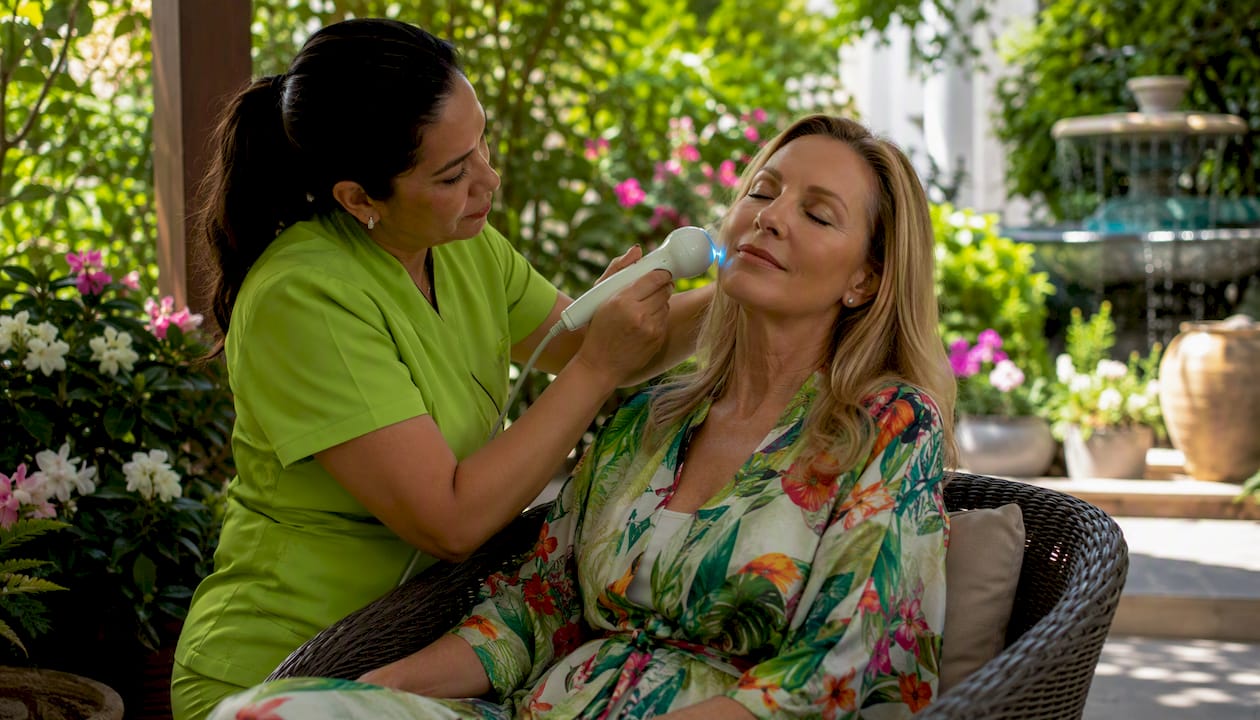
Copper peptides, specifically the tripeptide GHK-Cu, are among the most studied collagen-signaling actives in topical skincare. They work by binding copper ions to a peptide carrier that penetrates the skin and activates fibroblasts, the cells responsible for producing collagen and elastin. Unlike retinoids, copper peptides carry no irritation risk and require no SPF adjustment, which makes them practical for daily use on the face, neck, and hands.
The Copperpeptides Copper Peptide Anti-Aging Serum pairs high-purity copper peptides with medical-grade hyaluronic acid. The hyaluronic acid component delivers immediate surface plumping while the copper peptides work on the longer collagen-signaling timeline. According to the brand’s product page, users can expect visible results within four to six weeks of consistent use. The formula is dermatologist-endorsed, cruelty-free, and designed to be safe for all skin types including sensitive skin.
How to use it:
- Apply 2–3 drops to clean, slightly damp skin on the face and neck
- Use morning or evening; no SPF requirement from the serum itself (though daily SPF is always recommended)
- Patch-test on your inner arm for 48 hours before first full application
- For best results, follow with a ceramide moisturizer to lock in hydration
Pro Tip: Copper peptides and niacinamide work well together — niacinamide calms redness and supports barrier function while copper peptides signal collagen. Layer niacinamide first, let it absorb, then apply the copper peptide serum.
The brand backs the serum with a return policy and positions it as a dermatologist-endorsed option for adults with aging, thin, or crepey skin. Thousands of customers globally have used it, and the direct-to-consumer model means you buy from the source rather than a third-party reseller.
Ingredient spotlight: Copper peptides signal collagen synthesis and support barrier function. Paired with medical-grade hyaluronic acid, the combination addresses both the structural deficit and the surface dehydration that make crepey skin visible.
Key Takeaways
The most effective serum for crepey skin pairs a collagen-signaling active (copper peptides or retinoids) with a strong humectant like hyaluronic acid, used consistently for at least six to twelve weeks.
| Point | Details |
|---|---|
| Best active combination | Copper peptides + hyaluronic acid address both collagen signaling and surface dehydration simultaneously. |
| Retinoid timeline | Visible collagen changes from retinoids take 6–12 weeks minimum; start low, increase frequency gradually. |
| Safety non-negotiables | Avoid retinoids during pregnancy; always pair with SPF 30+ in the morning when using retinoids or AHAs. |
| Topical limits | Dramatic tightening requires in-office procedures; topicals are a supportive, long-term foundation. |
| Copperpeptides pick | The Copper Peptide Anti-Aging Serum is the recommended starting point for face, neck, and delicate areas across all skin types. |
Buyer persona quick map:
- Sensitive or dry skin: Start with the Copper Peptide Anti-Aging Serum or a ceramide-rich formula; introduce retinoids only after the barrier is stable
- Hormone-related thinning (perimenopause/menopause): Prioritize peptide-forward formulas and richer ceramide complexes alongside a retinoid on alternate evenings
- Budget-minded: Dove Pro-Retinol + Firming Cream Serum or Olay Super Serum for accessible actives; upgrade to a copper peptide serum when budget allows
- Seeking stronger actives: Paula’s Choice Skin-Smoothing Retinol Body Treatment or SkinCeuticals Tripeptide R Neck Repair for targeted, higher-potency support
Two immediate steps: patch-test your chosen serum on your inner arm for 48 hours, then commit to a 6–12 week consistency plan. If you are using a retinoid, add SPF 30+ to your morning routine starting day one.
The case for a peptide-first approach to crepey skin
The conventional advice for crepey skin defaults to retinoids, and retinoids genuinely work. But they come with a real barrier to entry: irritation, sun sensitivity, and the months-long adjustment period that causes many people to quit before results appear. What gets less attention is that copper peptides offer a collagen-signaling pathway with none of that friction.
The science here is not new. GHK-Cu has been studied for decades as a wound-healing and collagen-stimulating compound. What has changed is the quality of consumer formulations. A high-purity copper peptide serum paired with medical-grade hyaluronic acid is no longer a niche professional product. It is accessible, daily-use, and genuinely suited to the thin, dehydrated texture that defines crepey skin.
The other thing worth saying plainly: no topical, however well-formulated, rebuilds the deep dermis. If your skin has significant structural laxity, a serum is part of the answer, not all of it. The honest framing is a long-term supportive plan, not a six-week fix. Copper peptides fit that plan well because they are safe to use every day, indefinitely, without the tolerance-building and SPF dependency that retinoids require. For most adults with early-to-moderate crepey skin, that consistency advantage is what actually produces results.
Try the Copper Peptide Anti-Aging Serum from Copperpeptides
If you have spent time comparing retinoids, peptide serums, and drugstore options, here is the short version: the Copper Peptide Anti-Aging Serum from Copperpeptides gives you the collagen-signaling benefit of a high-purity peptide formula without the irritation risk or SPF dependency of a retinoid. That is a meaningful practical difference for daily use on the face, neck, and hands.
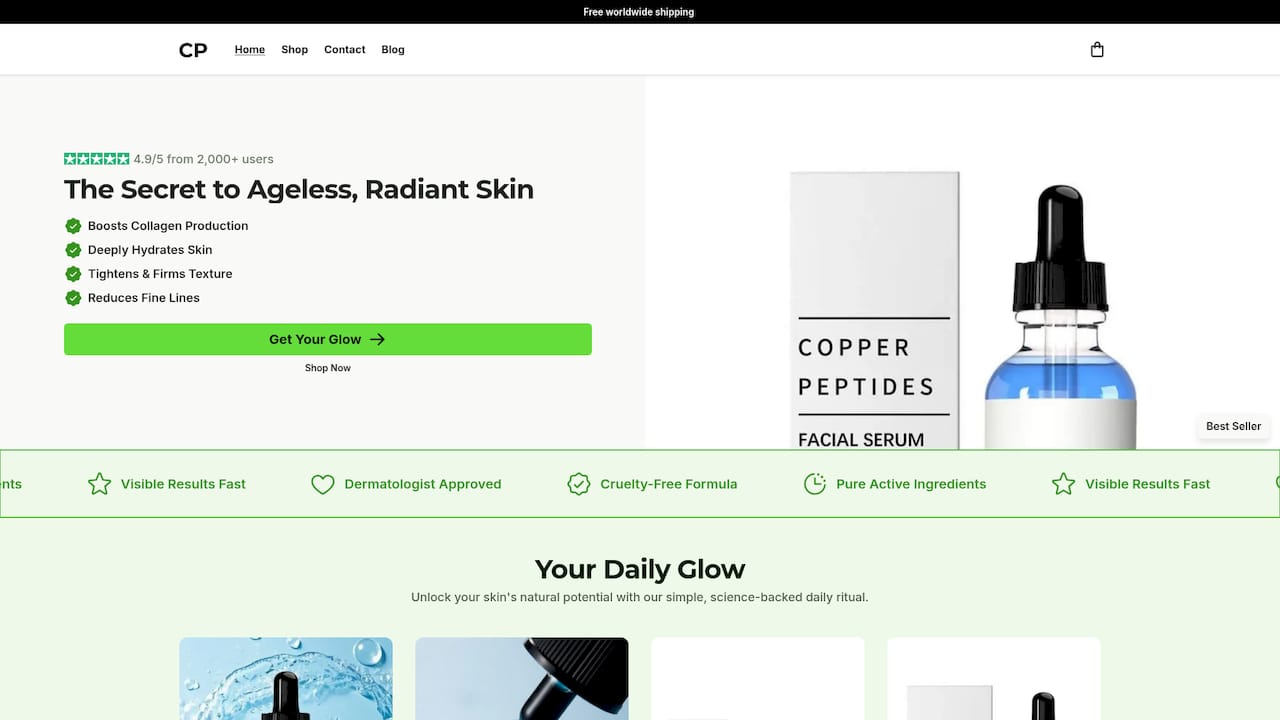
The serum is available direct from Copperpeptides in the U.S. with straightforward shipping and a return policy that reflects the brand’s confidence in the formula. It is dermatologist-endorsed, cruelty-free, and formulated for all skin types including sensitive skin. The brand cites visible results within four to six weeks of consistent use.
Patch-test first (inner arm, 48 hours), start with once-daily application, and give it a full six to twelve weeks before evaluating results. For significant skin laxity, pair it with a dermatologist consultation to discuss whether an in-office procedure belongs in your plan.
Selected sources and further reading
- Crepey skin: Treatment, causes, and how to treat it — Medical News Today overview of causes (UV, collagen loss) and evidence-based topical strategies including retinoids and peptides.
- Crepey Skin: Causes and Treatment — Cleveland Clinic dermatologist guidance on SPF, retinol, hydroxy acids, and when to consider in-office procedures; one of the most authoritative U.S. clinical sources on this topic.
- Dermatologists’ 22 best crepey skin treatments — CNN Underscored editorial roundup with dermatologist input; useful for understanding consensus on topical limits versus clinic procedures.
- Here’s how to treat crepey skin, according to experts — Vogue roundup emphasizing SPF, antioxidants (vitamin C), retinoids, and peptides as the expert-recommended stack.
- 8 Best Crepey Skin Treatments to Improve Texture and Firmness — Allure editor picks with expert quotes on peptides, retinol, and hydrating ingredients; reflects what major editorial roundups currently recommend.
- Copper Peptide Benefits: A Science-Backed Skin Guide — Copperpeptides brand resource on GHK-Cu mechanisms, collagen signaling, and hyaluronic acid synergy; primary reference for copper peptide ingredient claims.
- 35 best face serums, according to dermatologists — CNN Underscored dermatologist-backed serum roundup; supports guidance on hyaluronic acid and ceramide blends for dry, crepey skin.
- Understanding under-eye hollowing — PRP London — Practitioner-level perspective on the limits of topicals versus structural remodeling procedures; useful context for realistic expectations.
- Boardwalk Vallarta (practitioner perspective) — Practitioner notes on hormonally influenced aging and the case for peptide-forward and ceramide-rich formulas for perimenopausal skin.
Recommended
- Best Wrinkle Serums: Dermatologist Picks for Fine Lines – Copper Peptides Store
- Best Dry Skin Serum for Sensitive, Aging Skin – Copper Peptides Store
- Best Hydrating Serums for Firming and Anti-Aging Skin – Copper Peptides Store
- Best Hyaluronic Acid Serums for Firming Skin: Copper Peptide Pairings – Copper Peptides Store