

Yes, you can use peptides with AHA and BHA acids, as long as you give your skin a buffer window between them. The simplest fix: apply your acid first, wait some minutes, then follow with your peptide serum, or split the two actives between morning and night. Skin surface pH rebounds quickly after acid exposure, and well-formulated peptide serums are more stable than lab conditions suggest, so the “acids cancel out peptides” fear is mostly overblown when you schedule things right.
That’s the short answer. The longer answer involves a bit of chemistry, a handful of peptide types with different personalities, and some routines you can copy tonight. Let’s get into why this myth took hold in the first place.
Key Takeaways
Peptides and AHA/BHA acids work well together when you stagger application by 10 to 15 minutes or split them between morning and evening.
| Point | Details |
|---|---|
| Verdict on combining actives | Peptides and AHA/BHA are compatible when layered with a short wait time or split AM/PM. |
| Wait time matters most | Give skin 10 to 15 minutes after an acid before applying a peptide serum. |
| Patch test everything new | Test on your forearm for 24 to 48 hours before adding any acid or peptide to your face. |
| Avoid same-session extremes | Skip pairing peel-strength acids or in-office treatments with peptide serums on the same day. |
| SPF is non-negotiable | Apply sunscreen every morning after any nighttime acid exfoliation. |
| Formulation quality over complexity | A high-purity single-ingredient option like the Copperpeptides copper peptide serum simplifies layering with acids. |
Table of Contents
- Do AHA/BHA Really Cancel Out Peptides?
- How Do AHA and BHA Change Skin pH, and Why Does It Matter?
- Which Peptide Types Hold Up Best Around Acids?
- What Order Should You Apply Acids and Peptides?
- Sample Routines for Different Skin Goals
- What Should You Avoid Combining With Peptides?
- How Do You Safely Introduce New Actives?
- When Should You See a Dermatologist Instead?
- What Actually Works vs. What Sounds Scary Online
- Where a High-Purity Copper Peptide Serum Fits Your Routine
- Sources
Do AHA/BHA Really Cancel Out Peptides?
The myth comes from real chemistry, just chemistry that doesn’t map cleanly onto how you actually use these products. Peptides are short chains of amino acids held together by peptide bonds, and in a test tube, a strongly acidic environment (think pH 2 or lower, sustained over time) can trigger hydrolysis, a reaction where water molecules break those bonds apart. That’s a legitimate lab finding. It’s also a scenario that has almost nothing to do with putting a glycolic acid toner on your face for 20 seconds before rinsing or letting a leave-on serum absorb.
Your skin isn’t a beaker. It has a natural buffering system that resists sudden pH swings, and the outer layer, the acid mantle, works specifically to pull surface pH back toward its resting state (usually somewhere around 4.7 to 5.5) after anything disrupts it. Apply a glycolic acid serum with a pH of 3.5, and your skin doesn’t sit at that low pH indefinitely. It starts correcting almost immediately, and most of that correction happens within the first several minutes.
Dermatologist-style guidance on this is fairly consistent: experts recommend staggering acid and peptide use rather than avoiding the combination outright. The industry isn’t treating this as an unsolvable conflict.
Peptides generally remain effective in a routine that separates acid exfoliation from peptide application by even a short window, since real-world skin conditions differ substantially from the sustained low-pH environments used in laboratory degradation studies.
How Do AHA and BHA Change Skin pH, and Why Does It Matter?
Most AHA and BHA products are formulated in the pH 3 to 4 range, which is where glycolic acid, lactic acid, and salicylic acid work best for loosening the bonds between dead skin cells. Peptides, by contrast, tend to perform more reliably in a less acidic environment, generally somewhere in the pH 5 to 7 range, closer to your skin’s natural resting state. That gap is the entire basis of the “wait before layering” rule.
Here’s what actually happens on your skin after you apply an acid product:
- Minute 0: Acid is applied, surface pH drops toward the product’s formulated pH (often 3 to 4).
- Minutes 1 to 5: The acid begins working on surface cell adhesion; pH is at its lowest point.
- Minutes 5 to 10: Your skin’s buffering capacity starts pulling pH back upward.
- Minutes 10 to 15: Surface pH is typically approaching a range where peptide products are formulated to perform.
- After 15 minutes: Applying a peptide serum carries minimal risk of pH-driven degradation for most everyday formulations.
That 10 to 15 minute window isn’t an arbitrary skincare superstition. It reflects how quickly the skin’s own chemistry resets after a routine acid application, not a peel-strength treatment. This is a low-effort habit that solves most of the theoretical concern without requiring you to give up either ingredient category.
One caveat worth flagging: not all acid products behave the same way. Leave-on, high-strength formats extend the low-pH window, so if you’re using a potent overnight exfoliant, treat the wait time as a floor, not a ceiling, and consider pushing your peptide application to the following morning instead.
Which Peptide Types Hold Up Best Around Acids?
Not all peptides are built the same way, and knowing which class is sitting in your serum tells you a lot about what to expect. Cosmetic chemistry generally sorts peptides into a few functional categories, and a peer-reviewed review of cosmetic peptides breaks them into signal peptides, carrier peptides, neurotransmitter-inhibiting peptides, and enzyme-inhibiting peptides, each doing a distinct job in the skin.
| Peptide class | Common example | Primary function | Practical note with acids |
|---|---|---|---|
| Signal peptides | Matrixyl (Palmitoyl Pentapeptide-4) | Signals skin to produce more collagen | Generally stable in well-formulated leave-on serums; stagger with strong acids |
| Carrier peptides | GHK-Cu (copper peptides) | Delivers copper to support tissue repair and firming | More sensitive to pH extremes; benefits from buffered, standalone formulas |
| Neuropeptides | Argireline (Acetyl Hexapeptide) | Softens the look of expression lines | Reasonably stable; commonly paired with hydrators like hyaluronic acid |
Copper peptides deserve a bit more attention here because they’re chemically different from the others. GHK-Cu is a copper-binding peptide, and that copper ion can interact with other reactive ingredients if a formula isn’t built carefully. This is part of why copper peptides are typically recommended in high-purity, standalone serums rather than crammed into a multi-acid, multi-active formula. It’s not that copper peptides are fragile in general use, it’s that they perform best when they’re not competing with five other actives for stability in the same bottle.
There’s also a real-world delivery problem that applies across every peptide class: peptides are large molecules relative to the outer skin layer, and permeability through the stratum corneum is a known limitation that formulators work around using techniques like liposome encapsulation or pairing peptides with penetration enhancers like hyaluronic acid. When you’re shopping, a few formulation cues tell you whether a brand has actually addressed this. Peptides listed in the first half of the ingredient list generally signal a meaningful concentration, and the presence of hyaluronic acid alongside peptides usually indicates a formula built for absorption, not just a marketing checkbox. Our guide on copper peptides versus Matrixyl breaks down how these two popular options compare if you’re trying to decide which to build a routine around.
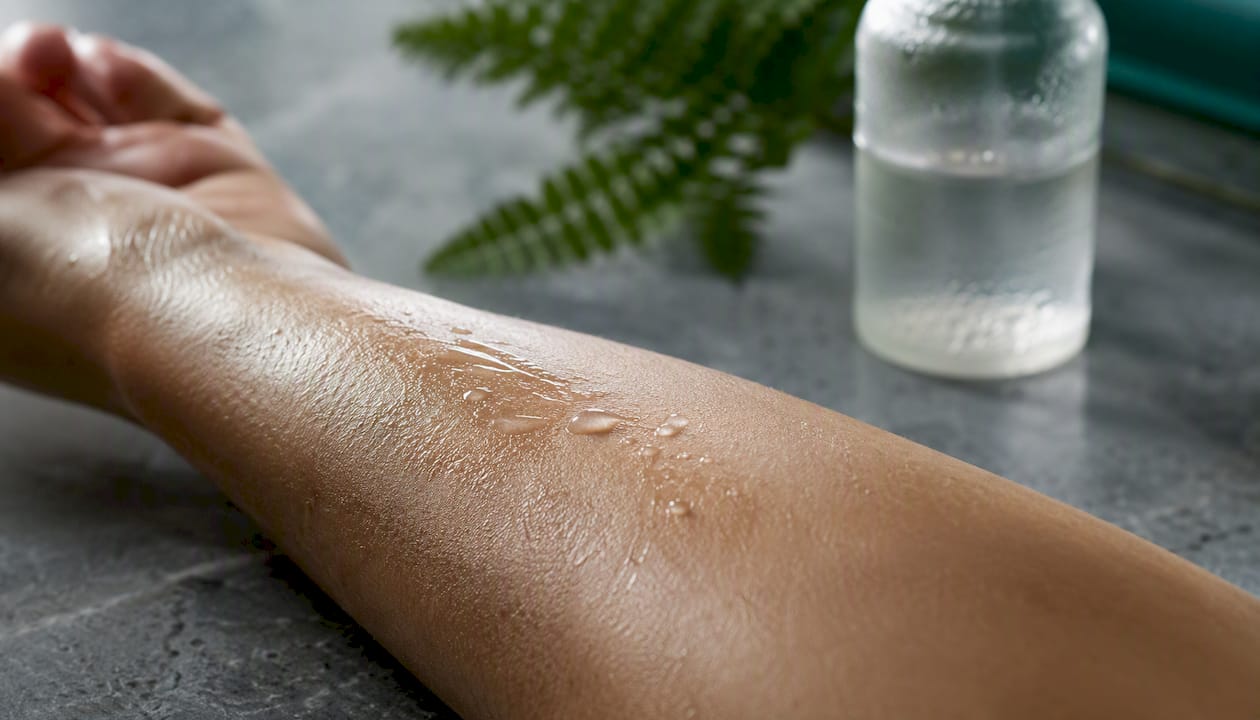
Pro Tip: Apply copper peptide serums to clean, dry skin before heavier creams or facial oils. Copper peptides absorb best without a barrier of thick occlusive product sitting on top of them first.
What Order Should You Apply Acids and Peptides?
The layering rule set is simpler than most routines make it look. If you’re using both in the same session, acid goes first, always. Cleanse, apply your AHA or BHA product, wait some minutes, then move to your peptide serum, followed by moisturizer and, if it’s morning, sunscreen.
Here’s the practical rundown for scheduling:
- Same-session layering: Acid first, wait some minutes, then peptide serum, then moisturizer.
- AM/PM split: Use your acid exfoliant at night, when your skin isn’t dealing with UV exposure, and reserve peptides for the morning after your skin has fully normalized overnight.
- Alternate-night approach: If your routine is time-crunched or your skin runs sensitive, use acids on Monday/Wednesday/Friday and peptides on the off nights, skipping the same-session question entirely.
- Under moisturizer: Peptides layer fine underneath a moisturizer or occlusive cream; just don’t sandwich them directly against an acid product without the wait time.
- Sunscreen matters more than usual: Freshly exfoliated skin is more UV-reactive, so morning SPF isn’t optional on days you’ve used an acid the night before, regardless of whether you’re also using a peptide.
If you genuinely can’t be bothered tracking wait times every single day, the alternate-night approach removes the guesswork completely. You lose a little efficiency but gain a routine you’ll actually stick with, and consistency tends to matter more for peptide results than precise sequencing does.
Sample Routines for Different Skin Goals
Anti-aging focus. Mornings: cleanse, peptide serum with hyaluronic acid, moisturizer, SPF. Evenings: cleanse, AHA (glycolic or lactic acid) three nights a week, moisturizer. On off-nights, swap the acid for a retinal or retinol product instead, never layering retinoids and acids on the same night. Give this combination four to six weeks before judging results, since collagen-related changes from signal peptides and copper peptides build gradually rather than overnight.

Acne-prone or oily skin. Evenings: cleanse, 2% salicylic acid (BHA) three to four nights a week to manage clogged pores and oil, moisturizer. Mornings: lightweight peptide serum plus a gel moisturizer and SPF. Salicylic acid’s oil solubility makes it particularly effective for this skin type, and pairing it with a peptide serum in the morning, rather than the same session, avoids compounding irritation on skin that’s already prone to reactivity from acne treatments.
Choose a single, well-formulated peptide serum rather than a multi-peptide, multi-acid hybrid product, since fewer variables make it easier to identify what’s causing any reaction. Focus the rest of the routine on barrier support: a gentle cleanser, a fragrance-free moisturizer, and consistent SPF. Sensitive skin benefits most from simplicity, not from more active ingredients stacked on top of each other.
Concentration and format both matter here. Match the format to your goal, not just the ingredient name on the label.
What Should You Avoid Combining With Peptides?
A few pairings cause more trouble than the AHA/BHA question ever did, and most routine mistakes come down to stacking too many strong actives without a plan.
- Avoid applying strong, low-pH acids and a peptide serum in the exact same moment, especially with higher-strength leave-on products. Staggering by 10 to 15 minutes or splitting AM/PM solves this in nearly every case.
- Be cautious layering retinol with peptides in the same session. Retinoids increase cell turnover and can heighten sensitivity, so introducing a third active on the same night raises irritation risk without necessarily improving results.
- Watch vitamin C and acid combinations. Some formulations, particularly those pairing niacinamide with glycolic acid, can cause flushing or reduced efficacy for certain skin types; check product labels for stability warnings before stacking.
- Recognize the signs of over-exfoliation, including persistent redness, a tight or raw feeling, and visible flaking that doesn’t resolve within a day. This usually means too many actives, too often, not a peptide-specific problem.
- Never skip SPF after exfoliating. Freshly treated skin is more vulnerable to UV damage, and this applies whether or not peptides are part of that day’s routine.
- Pause active serums, including peptides, after in-office procedures like chemical peels or microneedling until your provider clears you to resume, since freshly treated skin has a compromised barrier that reacts unpredictably to actives it normally tolerates fine.
How Do You Safely Introduce New Actives?
Building tolerance methodically beats guessing every time, and it only takes a few extra days to do it right.
- Introduce one new product at a time. Never add an acid and a new peptide serum to your routine in the same week.
- Patch test for 24 to 48 hours on your inner forearm or behind your ear before applying anything new to your face.
- Start every other night for the first two weeks, watching for redness, stinging, or unusual dryness.
- Wait at least one to two weeks of stable, reaction-free use before introducing a second new active into the mix.
- Track what you’re using, including product names, concentrations, and the order you apply them, in a simple note on your phone.
- Watch for persistent peeling, ongoing redness, or stinging that doesn’t fade within an hour, and pause the newest addition if any of these show up.
Pro Tip: Keep a running log with dates, product names, and concentrations. If you ever need to see a dermatologist about a reaction, that log turns a vague “my skin got irritated” into something a clinician can actually diagnose.
When Should You See a Dermatologist Instead?
Most acid-and-peptide irritation resolves with a few days off and a simpler routine. Some reactions don’t, and those are worth professional attention rather than more troubleshooting on your own.
- Blistering or open sores anywhere the products were applied.
- Widespread, severe redness that spreads beyond the application area.
- Swelling, especially around the eyes or lips.
- Oozing or weeping skin, which can signal infection.
- Hyperpigmentation that persists for weeks after the irritation itself has calmed down.
Bring your product log to the appointment, including concentrations and how recently you’ve had any in-office treatments like peels or microneedling. A dermatologist may recommend supervised patch testing or prescription-strength alternatives if your skin is reacting to ingredients that most people tolerate without issue.
What Actually Works vs. What Sounds Scary Online
Most of the anxiety around mixing peptides and acids comes from lab studies that get stripped of context the moment they hit a skincare forum. A hydrolysis study run at sustained pH 2 for hours tells you something true about peptide chemistry. It tells you almost nothing about what happens when you use a pH 3.5 toner for a few seconds and then wait a quarter hour before your serum.
The gap between “theoretically possible” and “practically relevant” is where most skincare fear lives, and this topic is a textbook case of it. Real formulations are buffered, skin corrects its own pH faster than most people assume, and the dermatologist consensus favors staggered use over total avoidance. I’d rather see someone use a well-formulated copper peptide serum and a glycolic acid three nights a week, spaced correctly, than skip either ingredient out of caution that doesn’t match how skin actually behaves.
Where I’d push back on conventional wisdom: the obsession with perfect sequencing distracts from a bigger issue, which is product quality. A peptide buried at the bottom of a 20-ingredient list, sitting in an unstable base, was never going to do much regardless of what acid you paired it with. Forbes’s dermatologist-vetted product guidance makes the same point: a high-purity, simply formulated peptide serum consistently outperforms a “kitchen sink” product trying to do ten things at once. Get the formulation right first, then worry about timing.
Where a High-Purity Copper Peptide Serum Fits Your Routine
If you’re building a routine around the staggering approach outlined above, the formula you choose matters as much as the schedule. Copperpeptides makes a copper peptide anti-aging serum built on high-purity GHK-Cu paired with medical-grade hyaluronic acid, a combination that supports both the delivery challenges peptides face and the hydration that helps skin recover between acid nights.
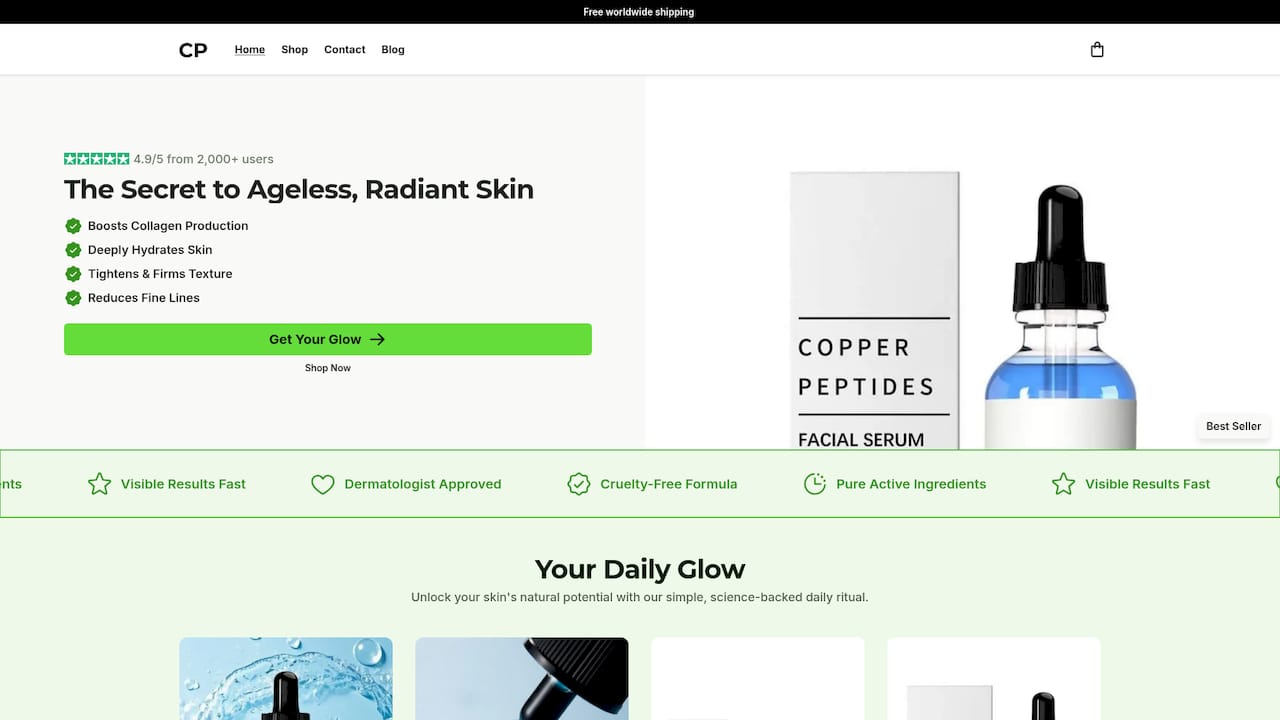
This isn’t a multi-acid, multi-peptide hybrid trying to do everything at once, and that’s intentional. A single-ingredient copper peptide formula gives you fewer variables to manage when you’re also running an AHA or BHA elsewhere in your routine, which makes patch testing and troubleshooting far more straightforward. Apply it to clean, dry skin, either in the morning as part of a peptide-plus-SPF routine or in the evening on nights you’re skipping acid exfoliation, always waiting the full 10 to 15 minutes if you’re using both in the same session. Most people notice visible firmness and hydration improvements within four to six weeks of consistent use, and dermatologists have endorsed its gentle profile for sensitive skin types.
Patch test it first, same as you would with any new active, then check out the Copper Peptide Anti-Aging Serum to see whether it fits the routine you’re building.
Sources
- Peptides: A Guide To Using Peptides In Your Beauty Routine — Elle
- Review on peptides in cosmetics — PMC
- The Best Skin Supporting Peptides — DrWillCole
- Best Peptide Serums 2026 — Forbes
- Peptides for skin — Healthline
FAQ
Can you use peptides with AHA at the same time? You can, as long as you wait some minutes after applying the AHA before layering on your peptide serum. This gives your skin’s surface pH time to rebound, which reduces the theoretical risk of the acid affecting peptide stability.
Does salicylic acid destroy peptide serums? No, salicylic acid doesn’t destroy peptides in typical over-the-counter concentrations. The hydrolysis risk applies mainly to sustained, low-pH lab conditions, not everyday BHA use in a leave-on or rinse-off product.
Should I use peptides in the morning or at night? Many people find it easiest to use peptides in the morning and reserve acid exfoliants for the evening, which naturally separates the two without requiring precise timing. Either schedule works as long as the acid and peptide aren’t applied in the same few minutes.
What peptide should beginners start with? A single, well-formulated option like a copper peptide (GHK-Cu) or a signal peptide such as Matrixyl is a reasonable starting point, since simpler formulas make it easier to gauge tolerance before adding acids into the mix.
How long before I see results from peptides? Most people notice visible improvements in firmness and hydration within four to six weeks of consistent, daily use, since collagen-related changes build gradually rather than appearing overnight.
This article provides general skincare information and isn’t a substitute for personalized medical advice. If you experience persistent irritation or a severe reaction, consult a dermatologist or licensed clinician.
This article is general information, not a substitute for advice from a qualified doctor. Consult a qualified healthcare professional about your own circumstances before acting on anything here.
Recommended
- Copper Peptides and Niacinamide: How to Use Them Together – Copper Peptides Store
- Best Hyaluronic Acid Serums for Firming Skin: Copper Peptide Pairings – Copper Peptides Store
- Copper Peptides vs Matrixyl: Which One Actually Works? – Copper Peptides Store
- Best Hydrating Serums for Firming and Anti-Aging Skin – Copper Peptides Store